Learn about the Key Offerings Offered by a General Commercial Contractor for Your Construction Job
In the domain of construction, a general contractor is fundamental in making the project succeed. Their support covers full project control, budgeting, and organizing different groups. This expertise does more than smooth execution but also addresses compliance and guaranteed quality - Hickory top rated Commercial General Contractor. Understanding these essential services can markedly change the project's final result. What key advantages can a GC offer your next construction job?
Detailed Project Administration
Thorough project management is crucial for the successful execution of development ventures. It necessitates a structured approach that encompasses planning, coordination, and management of a build from start to finish. A construction manager plays a pivotal role in this process, guaranteeing that all elements of the job align with the client's vision and legal standards.
Effective project management involves setting out project scopes, timelines, and deliverables while ensuring open dialogue among stakeholders. The contractor manages sub-trades, oversees assets, and monitors quality control to ensure the project conforms to defined requirements. In addition, a comprehensive management plan includes risk management techniques to identify potential challenges early and develop mitigation plans.
Ultimately, thorough project management promotes teamwork, streamlines processes, and increases the chance of completing a build on time and according to the set parameters, thereby maximizing client satisfaction and a good result.
Financial Planning and Cost Management
Effective project management necessitates the need for tight budget control and cost control measures. A construction manager plays a pivotal role in creating the monetary plan for a project. This requires thorough budget forecasting based on project specifications, labor, materials, and equipment. By recognizing budget threats in advance, the contractor can put plans into action to mitigate these challenges, guaranteeing that the project does not exceed the allocated funds.
In addition, ongoing tracking of spending throughout the project lifecycle is critical. The contractor leverages specific processes to monitor expenditures versus the budget, allowing for anticipatory modifications as needed. This disciplined process not only helps in avoiding cost overruns but also strengthens monetary oversight across all involved parties. In the end, sound financial planning and cost management create a clear fiscal atmosphere, which permits educated choices and proper resource deployment, which is critical for the successful completion of all construction work.
Liaising with Subcontractors and Vendors

While managing a construction project, effective liaison with suppliers and subs is crucial for ensuring smooth operations and hitting target dates. A commercial general contractor plays a pivotal role in managing these connections, making sure every party is in sync with the project schedule and deliverables. Open dialogue among subcontractors, suppliers, and the general contractor is essential to minimize holdups and avoid expensive miscommunications.
The GC handles the sequencing of subcontractor work sequences, a process that optimizes operations and maximize resource deployment. In addition, the contractor handles sourcing supplies from suppliers, guaranteeing resources are supplied according to the schedule and budget. By supervising these crucial exchanges, the general contractor can swiftly address any issues that arise, facilitating a smoother construction process. Crucially, this management improves project efficiency but also is key to the successful outcome of the construction endeavor, ensuring that all components come together seamlessly.
Compliance With Building Codes and Regulations
Ensuring compliance with building codes and regulations is a core duty of a commercial explore the facts general contractor, because ignoring these standards often causes serious fiscal and legal consequences. A commercial general contractor must possess a thorough understanding of federal, state, and local laws that pertain to construction work. This expertise enables them to manage complicated regulatory systems, guaranteeing that all elements of the job—from planning through completion—satisfy all mandated criteria.
Additionally, contractors often work closely with regulatory bodies, engineers, and architects to confirm that specifications and plans meet code standards. By conducting regular inspections and assessments, they are able to detect regulatory problems soon, mitigating risks and avoiding costly delays. Crucially, prioritizing regulatory adherence does more than just protect the GC's standing but also safeguards the client's welfare, guaranteeing successful project completion and without unnecessary complications.
Safety Oversight and Quality Control
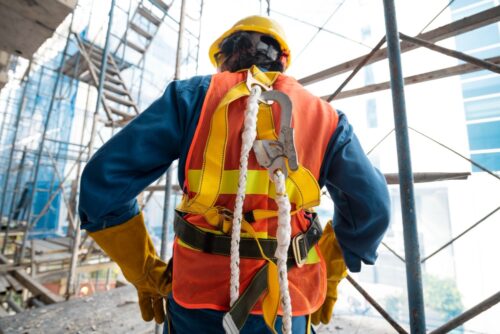
Ensuring quality and managing safety are essential elements of a commercial general contractor's role, which directly affects the integrity and success of construction projects. These measures guarantee that all work abides by defined specifications
A reliable general contractor establishes strict inspection processes to ensure that materials and workmanship align with project specifications - Hickory top rated Commercial General Contractor. Regular site evaluations take place to locate possible risks and enforce safety protocols among workers. This proactive approach not only protects personnel but also stops costly interruptions and rework resulting from safety incidents or quality issues
Furthermore, clear communication between the contractor, subcontractors, and suppliers is essential in maintaining high standards throughout the project lifecycle. By focusing on quality control and safety oversight, a commercial general contractor cultivates responsibility, which helps ensure the successful completion of projects on time and cost-effectively
FAQs
Which Projects Can a Commercial General Contractor Undertake?
A commercial general contractor can undertake many types of projects, including corporate offices, retail spaces, warehouses, industrial facilities, remodeling jobs, and new constructions. They handle the full scope of work, guaranteeing quality, compliance, and punctual finishing of each project.
How Should I Select the Right Commercial General Contractor?
To select the ideal commercial general contractor, one should assess their background, check references, assess financial stability, look at their completed jobs, and ensure open dialogue. A thorough selection process can lead to successful project outcomes.
What Happens During the Initial Consultation?
During the initial consultation, clients can expect discussions about desired outcomes, timelines, financial forecasts, and the contractor's abilities. This meeting provides a starting point for establishing mutual understanding and aligning expectations between the client and contractor.
In What Way Do Contractors Control Project Timelines Effectively?
Contractors efficiently handle project timelines by utilizing detailed planning, setting clear milestones, managing timetables, and maintaining open communication with all stakeholders. They also modify resources when necessary to mitigate delays and mitigate potential delays.
Why Hire a General Contractor Versus DIY?
Engaging a general contractor provides specialized knowledge, managing the entire project, and a connection with a network of experienced tradespeople. This secures high-quality results, finishing on schedule, and following building codes, thereby minimizing the burden and expensive errors in contrast with self-managed projects.