Your Dependable General Contractor for Premium Home Upgrades
A trusted general contractor plays a critical role in residential renovations. Their knowledge ensures work are completed with precision and care. By concentrating on premium materials and craftsmanship, they enhance both aesthetics and value. Open communication and thorough preparation are essential for a seamless experience. However, many property owners overlook important considerations when choosing a contractor. Recognizing what to prioritize can create all the impact in reaching a quality remodel. What should property owners consider first?
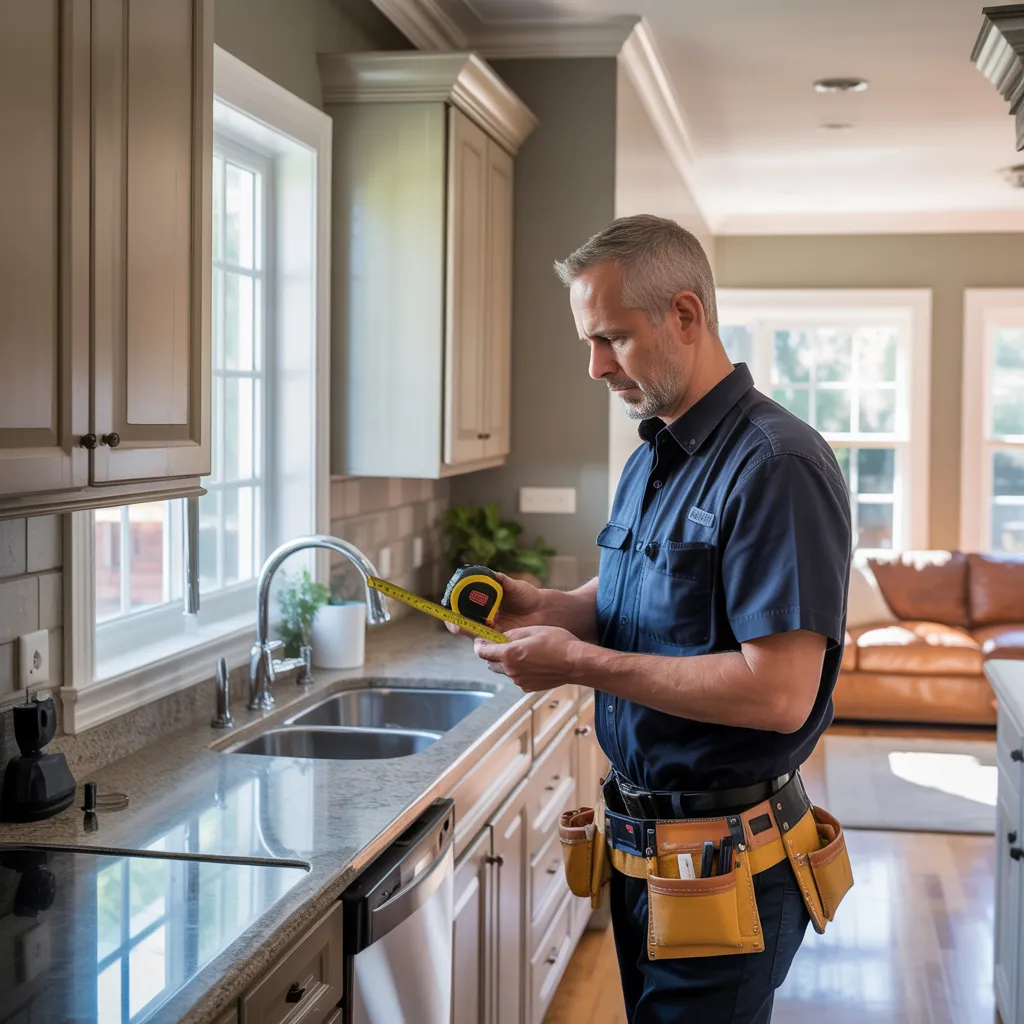
How to Find a Trustworthy General Contractor You Can Count On
When starting a home renovation project, how can one guarantee they pick a dependable general contractor? First, individuals should request referrals from friends, family, or online reviews to locate potential candidates. It is important to verify qualifications, encompassing licenses and liability coverage, making sure the professional meets local codes. Next, assessing earlier projects through portfolios or references gives explore this insights into the professional's craftsmanship and reliability.
Additionally, collecting multiple quotations can assist in evaluating reasonable pricing and work timelines. Communication aptitude are also crucial; a service provider should be personable and responsive to inquiries. Further, a solid contract outlining project scope, duration, and payment schedules safeguards both involved parties. In conclusion, rely on your instincts; if a professional looks inexperienced or vague, it may signal future issues. By following these guidelines, property owners can greatly enhance their probability of selecting a faithful building contractor, enabling successful home improvement initiatives.
Why a Local General Contractor Represents Your Optimal Solution
Going with a local general contractor can greatly improve the achievement of home improvement projects. Local contractors possess significant knowledge of the community, including construction codes, rules, and zoning restrictions, ensuring compliance and productivity. Their well-established partnerships with suppliers and subcontractors can provide better rates and timely access to supplies and skilled labor.
Furthermore, local contractors often have a reputation to copyright within the neighborhood, motivating them to provide superior craftsmanship. This feeling of responsibility builds confidence and trust among homeowners.
Moreover, proximity facilitates easier communication and prompt response times, which can be essential during a project. Homeowners can additionally seek referrals from neighbors or friends who have earlier worked with the contractor, providing peace of mind. Overall, opting for a local general contractor not only support the community but also raises the overall quality and experience of home improvement undertakings.
A Detailed Step-by-Step Guide for Your Home Improvement Journey
Beginning a house renovation project necessitates meticulous planning and proper execution. Creating a project timeline is important to ensure that assignments are accomplished without delay, while picking high-quality materials can significantly affect the overall outcome. This manual will describe these vital procedures to support homeowners through their improvement process productively.
Arrange Your Assignment Timetable
A well-structured project schedule is vital for delivering quality residential projects, making certain that every component is executed with efficiency. To begin, homeowners should identify the project's scope, specifying clear goals and desired outcomes. Subsequently, they should liaise their general contractor to formulate a grounded approach stemming from the project's degree of difficulty and required tasks. Breaking the project into constituent parts enables superior oversight and adjustments as circumstances require. It is also critical to prepare unforeseeable setbacks, such as climatic impacts or supply chain issues, which could alter the timetable. Periodic reviews with the contractor can help on track. By and large, a clear timeline fosters mutual understanding and sets expectations, leading to a more streamlined residential upgrade experience.
Assessing High-Quality Supplies
choosing quality components greatly influences the success of household remodeling endeavors. Initially, property owners should identify the particular requirements of their work, factoring in components including longevity, aesthetics, and cost allocation. investigating diverse material choices is important; this involves understanding the strengths and weaknesses of individual option options. Working with specialists can offer valuable guidance into trustworthy companies and providers.
Next, residents should request samples to assess the look and feel of materials in person. Shopping around for prices across different suppliers can help guarantee affordable rates without sacrificing quality. Finally, confirming that materials comply with local construction regulations is crucial for safety and compliance. By carefully choosing materials, homeowners can improve both the lifespan and visual appeal of their upgrades, ultimately adding value to their property.
Share Your Vision Like a Pro
Successful home improvements often copyright on the ability to express a clear direction. Homeowners should communicate their concepts, choices, and anticipated outcomes, ensuring that they convey their desires effectively to their general contractor. A well-defined vision not only helps in aligning the contractor's plans with the homeowner's aims but also streamlines the decision-making process.
Visual aids such as sketches or mood boards can substantially boost communication processes. They provide a tangible reference that demonstrates style, color schemes, and layout preferences. Additionally, engaging in open dialogue fosters collaboration, allowing the contractor to ask clarifying questions and provide insights.
Establishing practical timelines and budgets is equally crucial. Property owners should prepare to talk about limitations openly to prevent miscommunications down the road. Ultimately, communicating a vision with clarity and confidence strengthens both parties, paving the way for effective project completion and satisfying outcomes in home improvement projects.
The Critical Role of Superior Inputs and Fine Craftsmanship
For home improvements, the selection of durable materials greatly impacts the endurance and capability of a assignment. Comparably significant is the contribution of skilled craftsmanship, which validates that these materials are utilized effectively. Together, high-quality materials and skilled labor establish achievements that stand the test of time.
Sturdy Material Selection
A well-considered mixture of hardwearing materials can greatly influence the endurance and character of home improvements. Quality materials not only improve the look of the visual appeal of a space but also warrant that renovations withstand the test of time. Homeowners should give priority to materials with solid durability, such as hardwood, stone, and high-grade metals, which defend against wear and tear and environmental damage. Also, selecting materials suited for the local climate can circumvent issues like rot or corrosion. Investing in durable options may demand a higher upfront cost, but the long-term benefits—fewer repairs and replacements—make it a wise choice. Ultimately, the right materials contribute to a home's value and overall satisfaction for years to come.
The Importance of Expert Craftsmanship
Quality workmanship functions as a important component in the success of home upgrades, supporting the choice of resilient materials. Skilled professionals assure that all aspects of a project are delivered with exactness, advancing both utility and aesthetic quality. Careful focus in construction, from framing to finishing touches, greatly enhances the longevity and dependability of home features. Quality execution not only shows a dedication to excellence but also prevents future concerns, such as structural defects or aesthetic imperfections. Additionally, seasoned contractors grasp the complexities of various materials, confirming they are leveraged optimally. Ultimately, committing resources to skilled craftsmanship produces a more fulfilling and permanent outcome, raising the overall worth of the home and the homeowner's contentment.
Common Renovation Oversights and Tips to Dodge Them
Many property owners face pitfalls during remodeling projects that can result in expensive setbacks and disappointment. One common mistake is undervaluing the budget. Without a detailed financial plan, unforeseen costs can quickly arise, jeopardizing the project. Additionally, neglecting to obtain required approvals can cause fines and project halts, complicating the renovation process.
Making hasty decisions by rushing the process of making decisions is a frequent mistake. Hasty decisions regarding design and layout can result in disappointment down the road. Homeowners commonly neglect the importance of hiring experienced professionals, which can undermine the workmanship and safety requirements.
Ultimately, failing to communicate properly with construction professionals can generate confusion and unfulfilled expectations. To avoid these pitfalls, homeowners should prioritize thorough planning, secure the necessary permits, choose skilled professionals, and maintain transparent dialogue throughout the remodeling project. By tackling these typical errors, homeowners can ensure a smoother and more rewarding renovation experience.
How to Pick the Appropriate Materials for Your Upgrade?
How can property owners guarantee they choose the right products for their remodeling work? First, they should evaluate the specific needs of the space, taking into account factors such as practicality, appearance, and durability. Researching different options is essential; homeowners should compare options based on their suitability for the planned purpose and local climate conditions.
Consulting with a reliable building professional can offer helpful guidance into selection options, ensuring that selections align with both financial constraints and aesthetic objectives. Additionally, property owners should focus on environmental responsibility by exploring eco-friendly materials that reduce ecological footprint.
Ultimately, reviewing samples can support informed decisions, letting homeowners see how materials will appear and feel in their environment. By implementing these procedures, homeowners can securely pick materials that strengthen their project while ensuring quality and longevity.
Typical Questions Users Pose Frequently
What Steps Can I Take to Verify a Contractor's Certifications and Insurance?
To validate a contractor's permits and protection, one can examine state regulatory bodies and underwriters. Moreover, soliciting proof of licenses and insurance documents directly from the contractor assures genuineness and conformance to standards.
How Long Does the Common Timeline for Domestic Remodeling Initiatives Extend?
The typical schedule for residential renovation projects differs, often ranging from a few weeks to several months, depending on complexity of the project, scale, and necessary permits. Dialogue with the contractor can help establish a more accurate schedule.
Can I reside in My Home During Remodeling?
Yes, one may occupy a residence during remodeling, though it frequently is dependent on the scope and scale of the project. Partial renovation projects may permit continued occupancy, while extensive projects might require temporary moving for comfort and safety.
What Types of Payment Do Service Providers Generally Accept?
Contractors typically accept a selection of payment options, including cash, checks, credit cards, and digital payment platforms. Some may also offer financing solutions, enabling clients flexibility in managing renovation costs and payment schedules.
How Do I Handle Disputes With My Contractor?
To handle contractor conflicts, one should express yourself plainly, document all interactions, and seek a resolution through negotiation. If unresolved, mediation or legal action may be necessary to safeguard your rights successfully.